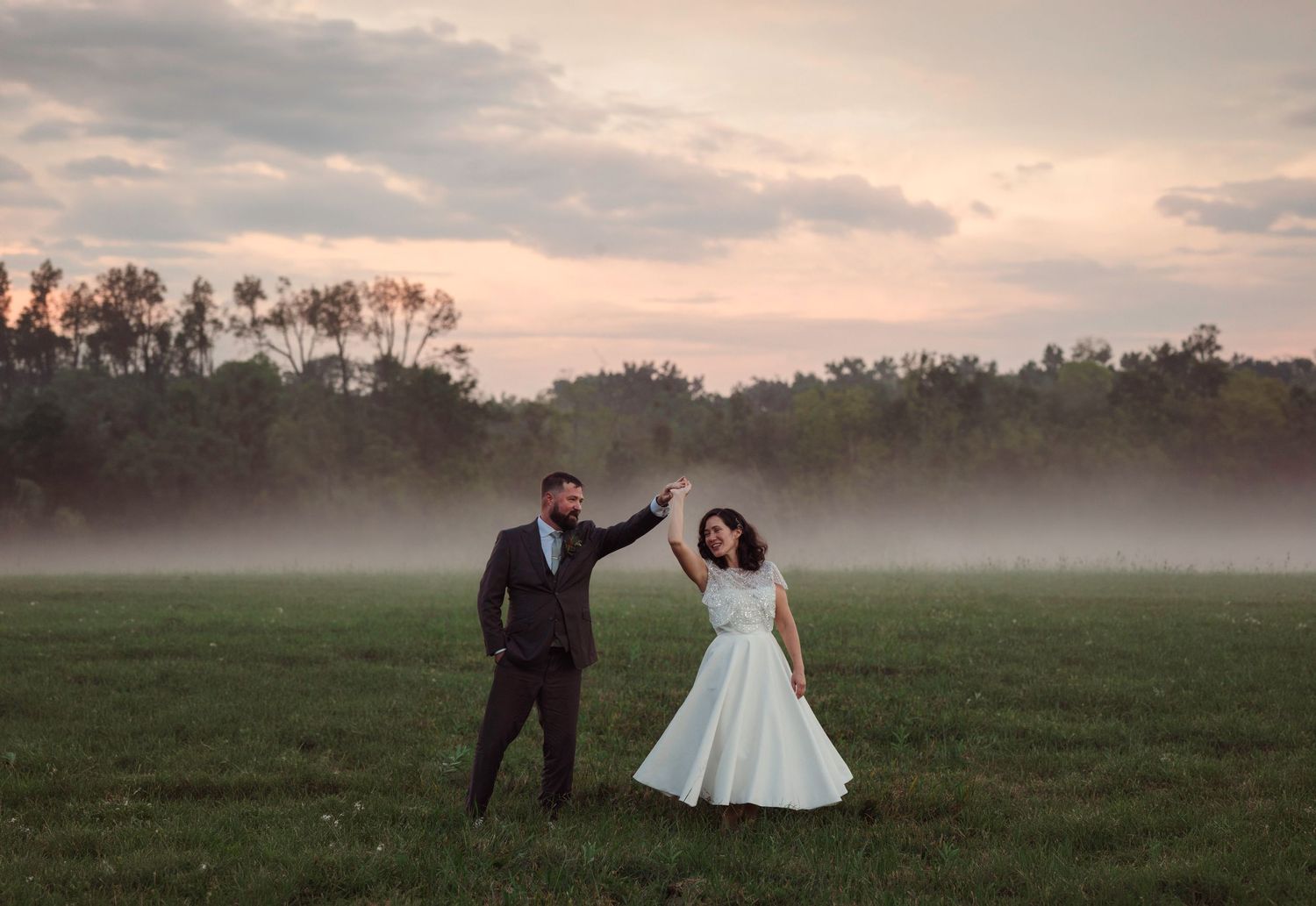
By Brian Vuyancih | Cincinnati Wedding Photographer
When I quit the Cincinnati Police Department and started photographing weddings in 2019, I had one enormous advantage over photographers who had been doing it for 30 years:
I had no idea what I was doing.
So I had to learn.
I watched videos, studied other photographers, and bought Roberto Valenzuela's popular books on wedding and portrait photography. I spent more money than I'd like to remember on photography classes through CreativeLive. Then I'd go outside and practice what I learned using my daughter's American Girl dolls as models while I moved lights around the backyard trying to figure out what the hell I was doing.
I'm sure the neighbors still talk about that.
And because I was learning in 2019, I was naturally learning what good wedding photography was supposed to look like in 2019.
Clean images. Natural colors. Nice light. Flattering poses. Sharp eyes. Catchlights in those eyes. Blurred backgrounds. Good skin tones. Did I mention catchlights? Hands that didn't look weird. No trees growing out of anybody's head.
There were rules.
And I like the rules.
I still do, actually.
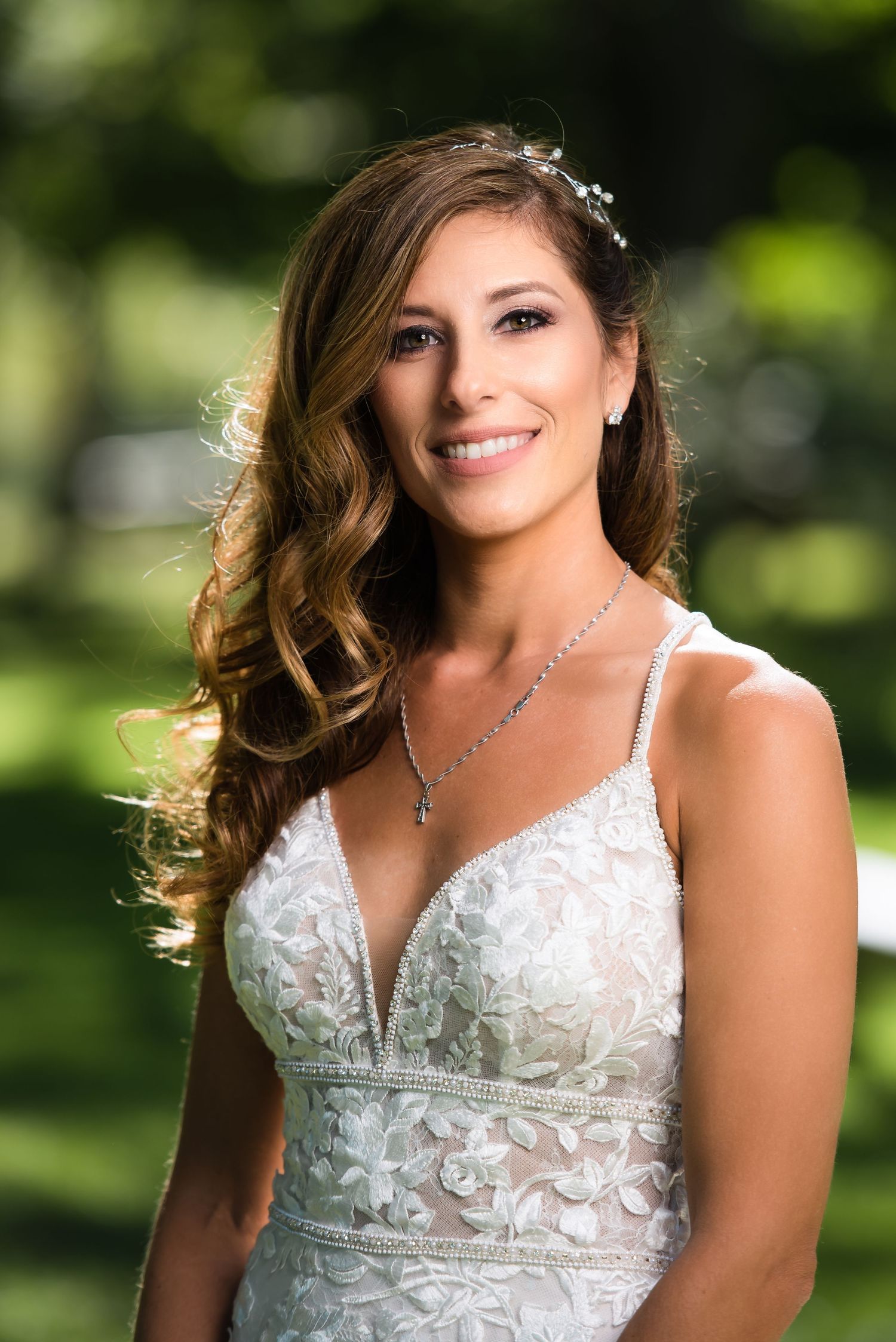
The kind of portrait I've always loved making: controlled light, clean background, and a longer lens. I'm not giving this up.
Every once in a while, though, I'd stumble onto the website of a photographer who had obviously been doing this for a very long time. You could almost guess when the person started photographing weddings without even reading their About page.
There were poses that belonged in 1997. Editing from 2003. Maybe a bride peeking coyly around a tree for reasons nobody could adequately explain or a groom lying on his stomach with his hands propped under his chin.
I always felt bad for those photographers.
They weren't bad. They had simply learned what a good wedding photograph looked like at one particular moment in time, and then kept doing it.
Fortunately, I thought, I didn't I have that problem.
Then, somewhat inconveniently, seven years passed.
I don't want to become that photographer
Wedding photography looks different now.
If you spend enough time looking at the wedding photos younger couples are sharing, it's not hard to notice the shift.
Rules have changed. Things have gotten looser.
There's more documentary photography. Less posing. More direct flash. More motion blur. More grain. Photos don't always have to be perfectly composed or perfectly sharp anymore. Sometimes imperfection seems to be the point.
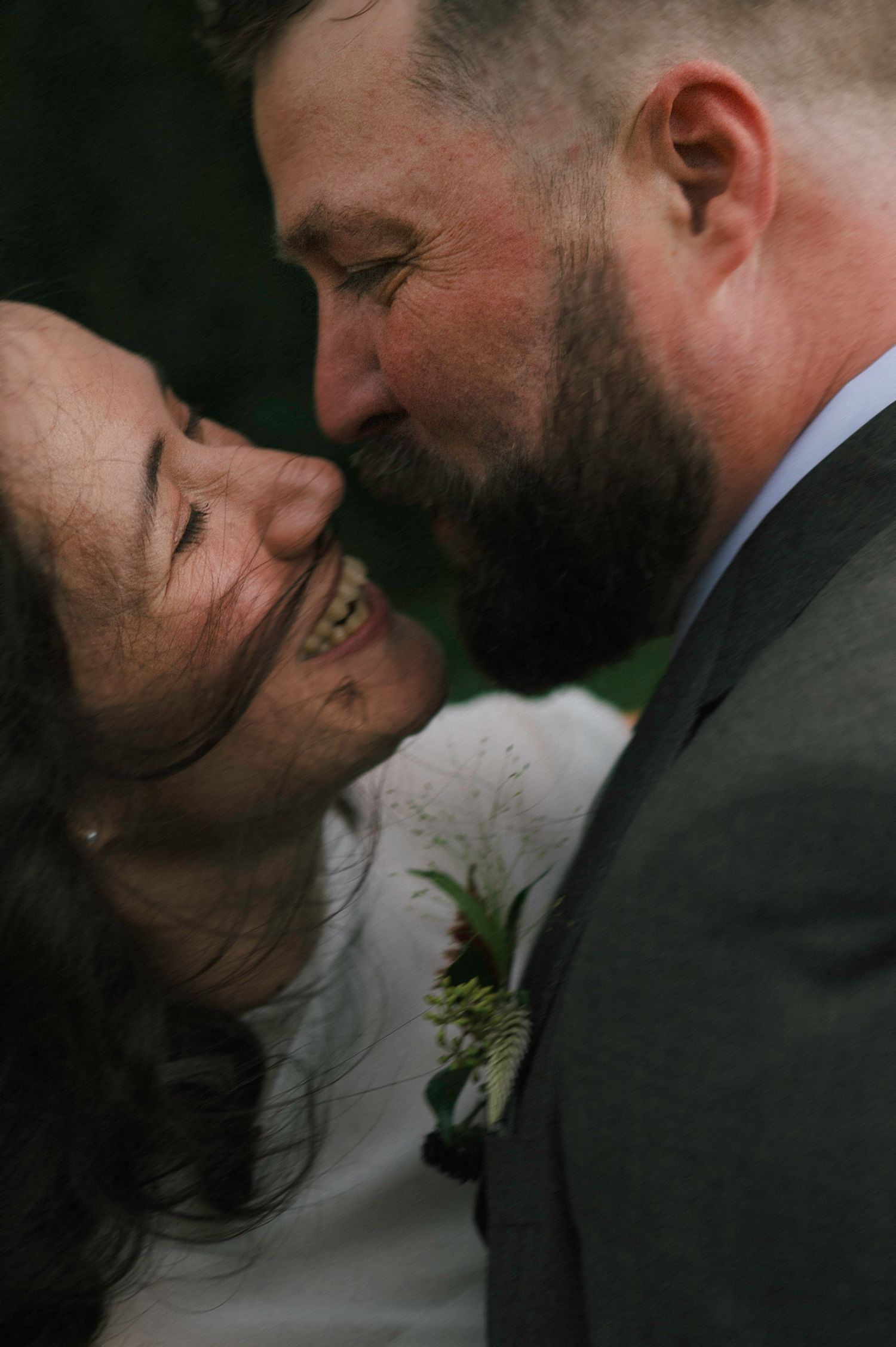
Shot at my most recent wedding (September 2026) and one of my more recent experiments with getting closer, composing looser and worrying less about the rules.
And everything seems wider.
I see a lot more 35mm. A lot more 28mm. Sometimes wider than that. At the current rate, by 2030 we'll be photographing the first kiss with Google Earth satellites.
Instead of using that long lens to remove all the distractions, photographers are getting close and leaving the distractions in. The room matters. The doorway might stay. Somebody's shoulder might take up a third of the foreground.
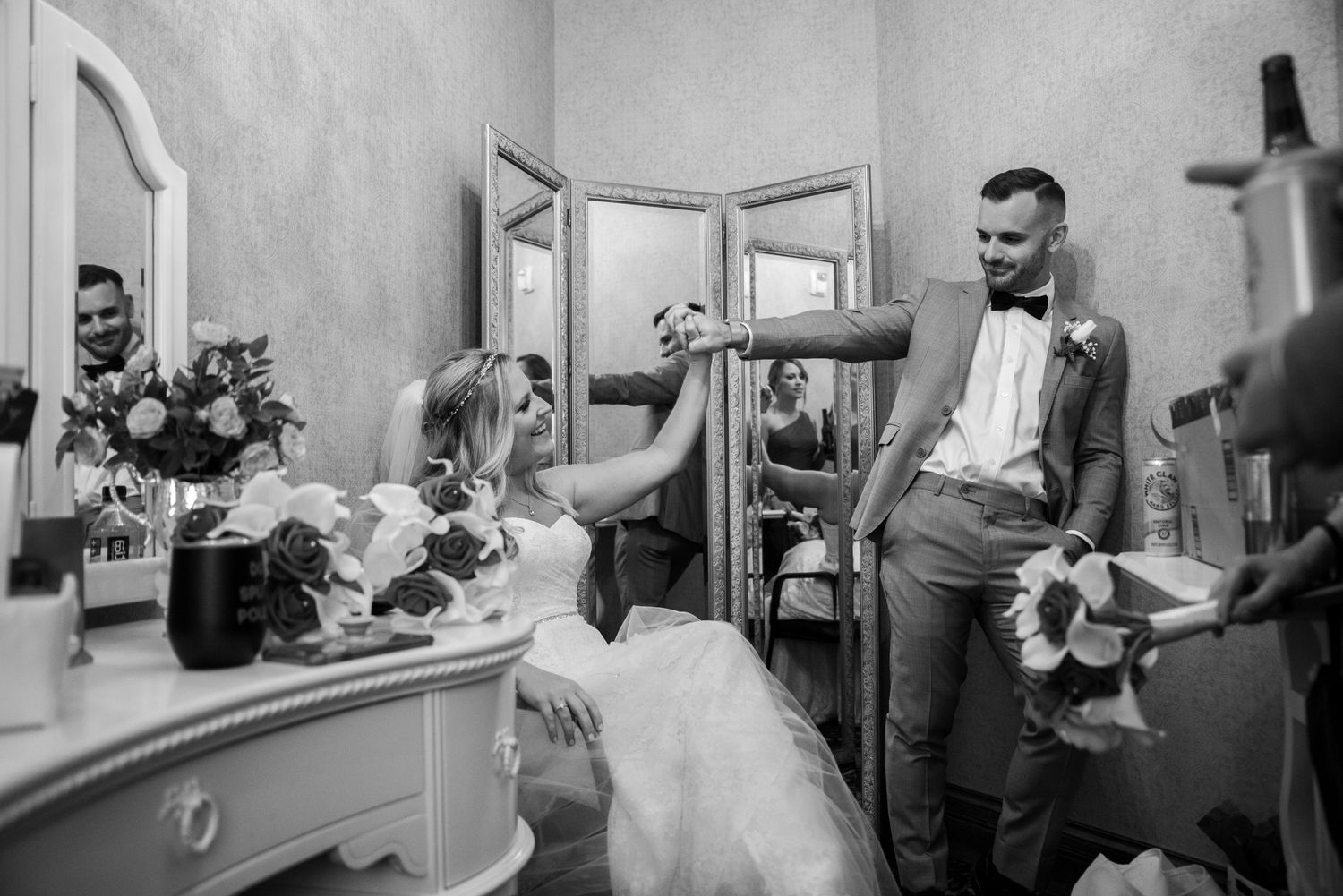
Five or six years ago I might have wondered why the photographer didn't clean up the composition.
Now I look at some of those photographs and think, That's actually pretty good.
And then I had an unpleasant realization.
Those photographers I used to see who were still making 1990s wedding photos probably didn't decide to become outdated.
It just sort of happened.
And now it could happen to me.
Maybe it's the phones
I have a theory about the wider look, although I should emphasize the word theory.
I think phones have something to do with it.
An entire generation has grown up looking at photos made with a wide phone camera. The environment isn't necessarily something to eliminate. You see the restaurant, the sidewalk, the friends standing nearby, the drink on the table and the guy reaching for something in the background.
It looks normal.
Add Instagram and TikTok, along with wedding content creators shooting on phones, and it isn't hard to understand why a wide photograph made from six feet away might feel more real than a technically perfect portrait made from 30 feet away with a zoom lens.
One lets you observe the moment.
The other can make you feel like you're in it.
I don't think one is better. They're different.
I'm going to start using my 35mm more.
One of the ways I'm adapting is pretty simple: I'm going to start using my 35mm more for portraits.
For years, when it was time to photograph the couple, my instinct was to usually reach for a zoom lens. Find good light, find a clean background, compress everything behind them, and make the couple the obvious subject of the photo.
I still love that work. I'm still going to make those images.
But I also want more of the environment now. And when I have the couple alone, I want to spend a little less time making portraits and a little more time giving them room to actually do something together.
I want more of the church also. More of the old schoolhouse. More of the city street. More of the architecture and landscape that tell you where these two people actually were when they got married.
Instead of asking, How do I get this stuff out of the background? I'm trying to ask a different question:
Is the background actually part of the photo?
Sometimes it isn't. A distracting parking lot is still a distracting parking lot. It always will be.
But sometimes the building, the room, the street, or the landscape is part of what makes the wedding look like their wedding.
So I'm not replacing the portrait where the background melts away and the couple is the only thing that matters.
I'm taking that one.
Then I'm taking the wider one too.
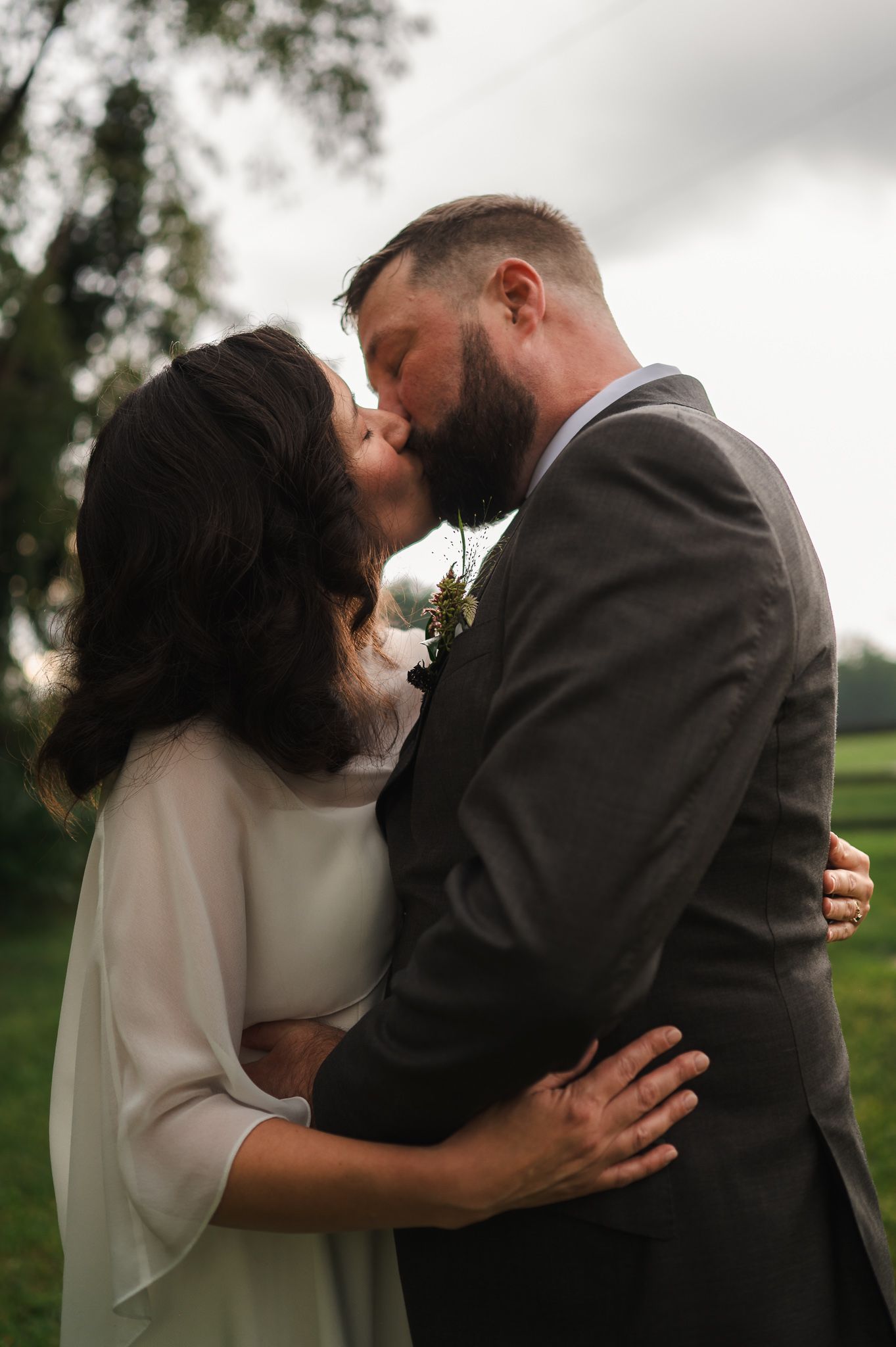
Shot with my 35mm. A few months ago I would have certainly shot this from farther away with my 70-200.
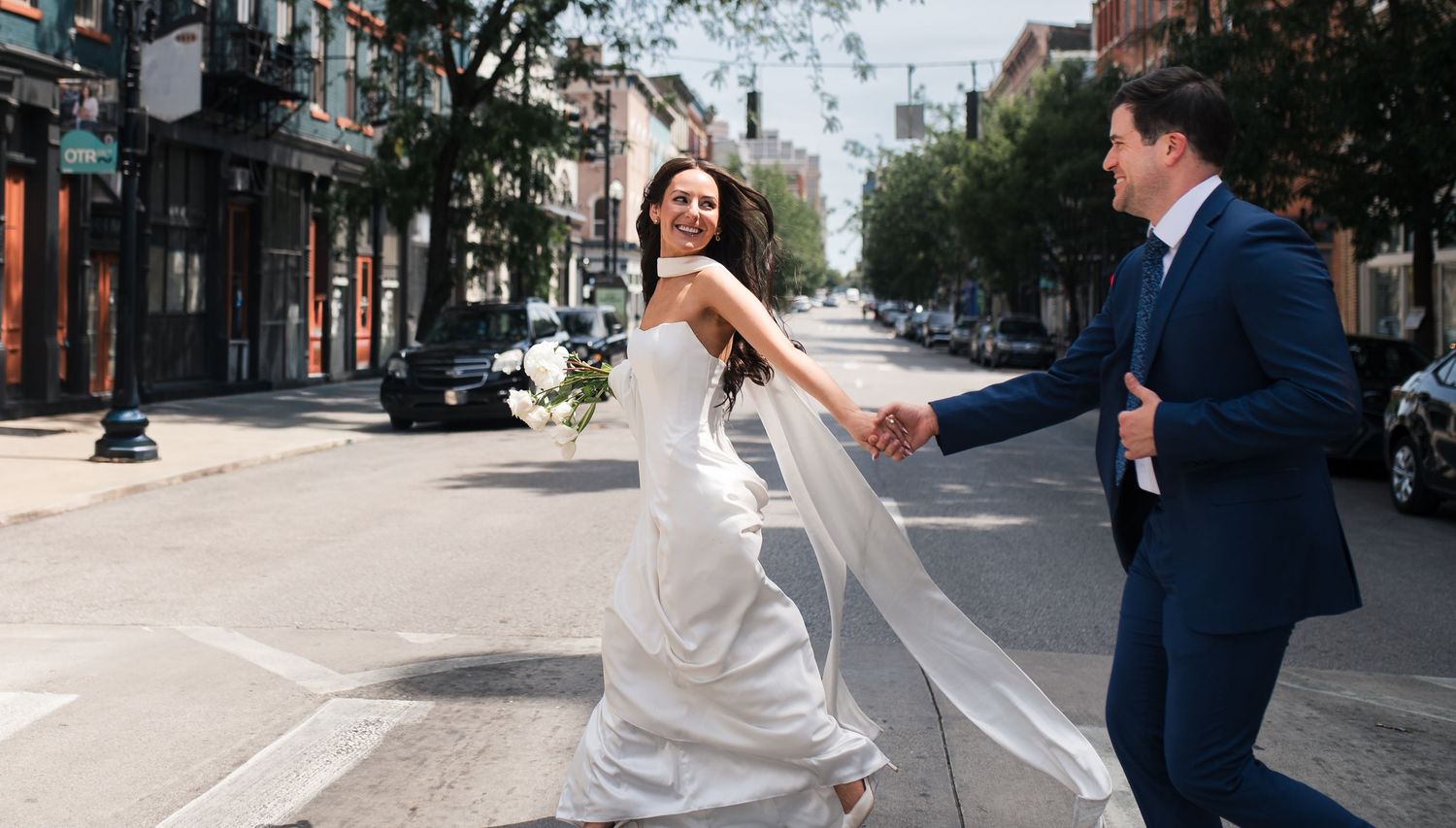
You wouldn't know this was Over the Rhine if I didn't shoot it wide
I'm still taking the family picture
A while back, a client's mother told me about an experience she'd had with another wedding photographer.
The photographer had a very trendy, influencer-type style. When the subject of family pictures came up on the wedding day, she was told by the photographer that nobody does formal family pictures anymore.
That was one of the reasons they ended up choosing me.
I've thought about the story a lot because it represents the other way a photographer can become trapped by an era.
You can ignore every new idea until your portfolio becomes a time capsule. Or you can become so consumed with trends that you start making photos for your brand instead of the people who hired you.
I'm not interested in either.
If your mom wants a family photograph, she's getting it.
If your grandma wants a photo of the entire family standing together and looking at the camera, we're taking that too.
It may not be the picture that gets the most attention on Instagram.
But that's not really the point.
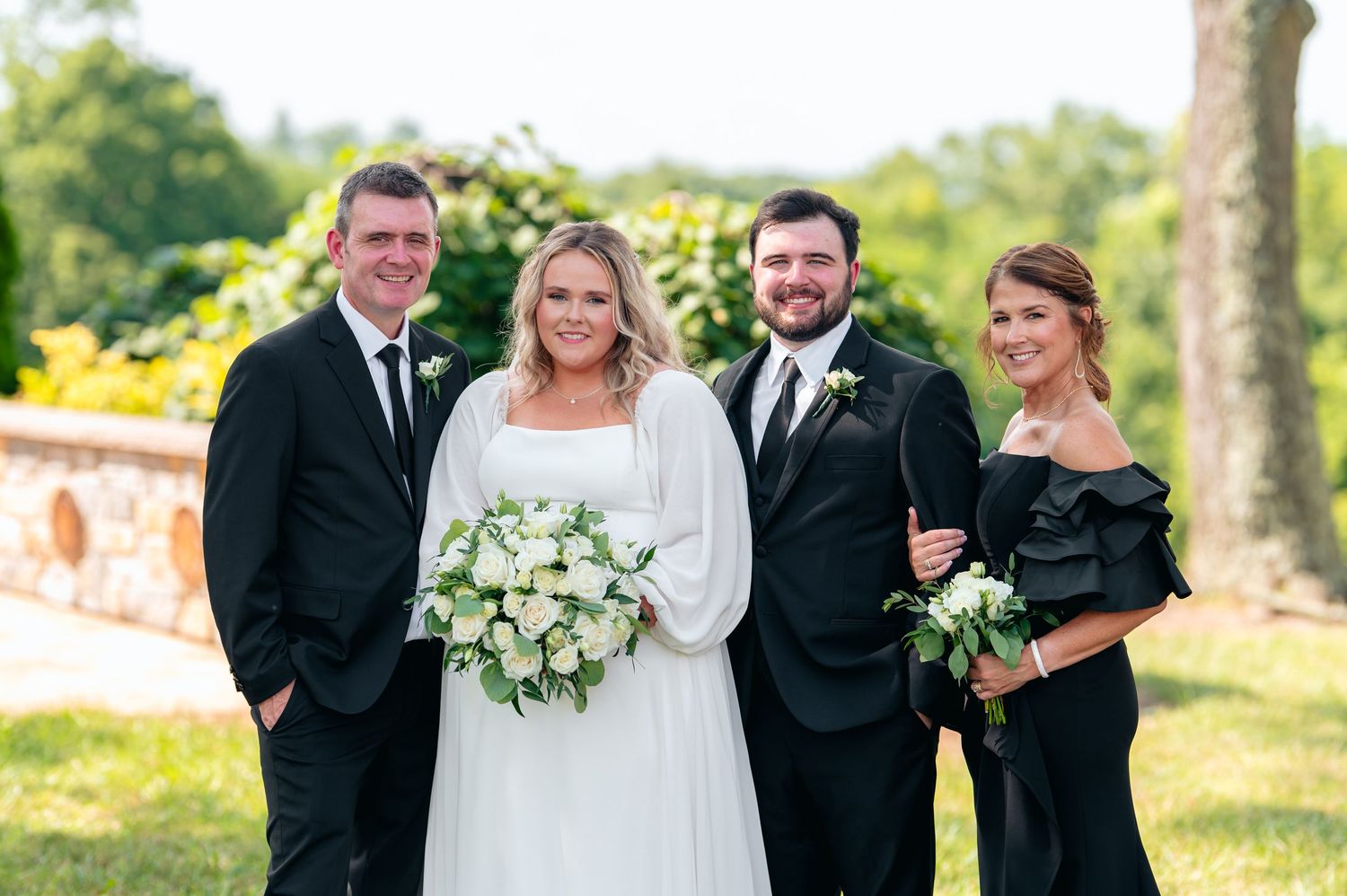
Some wedding photos take time to become important
Wedding photography has a strange paradox built into it.
The photographs need to work today, but they aren't only for today.
And I don't mean that in the usual wedding-photographer way where I'm supposed to start talking about "timeless heirlooms" and your grandchildren.
I mean something more practical.
Your favorite wedding photograph can change.
I have no idea which photo will be your favorite at 28 and which one will be your favorite at 58. Those two versions of you may have completely different taste.
The photo you put on Instagram the night I deliver your gallery may not be the photo you frame when you are 70.
And there's an even more uncomfortable part of this that anyone who has kept family photos long enough already understands.
People disappear from them.
The perfectly ordinary photo of you standing next to your father might not be particularly exciting today. Thirty years from now, it may be the only photo you care about.
So maybe we shouldn't let Instagram decide which photos are worth taking.
And maybe that's the answer to this whole thing.
There's room for both.
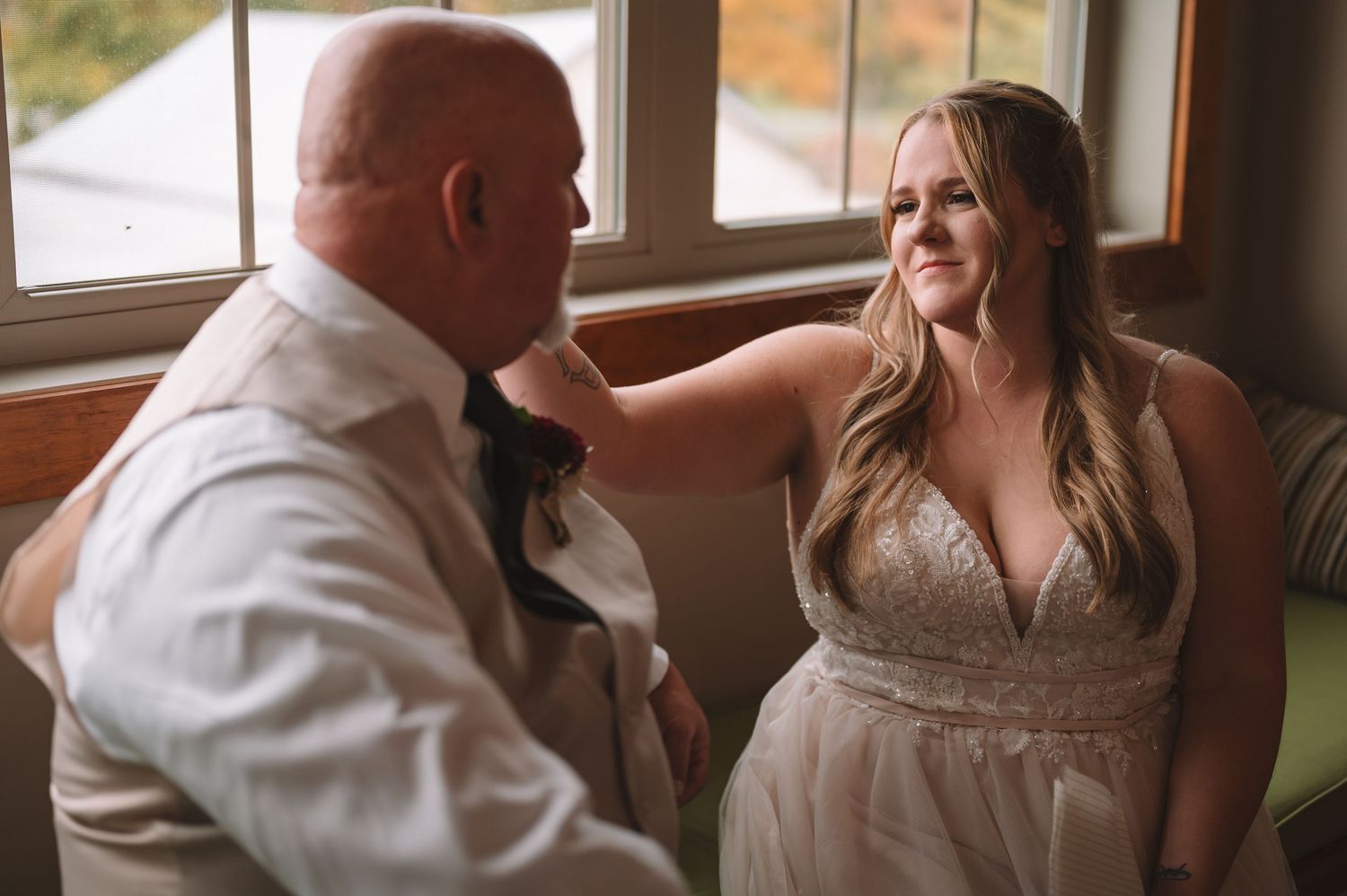
So yes, I'm changing. Sort of.
I don't want my 2026 weddings to look exactly like my 2018 weddings.
If photography changes and I refuse to even look at what younger photographers are doing, eventually I'm going to become the guy instructing the bride to peek around the tree.
I'm not ready for that.
So I'm shooting wider. I'm getting closer. I'm leaving more environment in the frame. I'm paying attention to documentary work and direct flash that younger couples seem to respond to. I'm allowing a little more movement and imperfection when it makes a photo feel more alive.
I'm learning again.
But I'm keeping the 50mm.
And I'm definitely keeping the 70-200. (Do you even know how expensive that is?)
I'm still going to find good light. I'm still going to employ backlighting. I'm still going to pose people when posing them will make a better photograph.
And I'm still taking the picture with your mother.
Maybe it will be the wide, slightly messy photo from the dance floor that instantly takes you back to your wedding day.
Maybe it will be the beautifully lit traditional portrait.
If I've done my job correctly, it will be both.
But you can decide for yourself in 2056.
planning a wedding?
If this sounds like the kind of wedding photography you're looking for: beautiful portraits, real moments, and yes, pictures with your mom, I'd love to hear your plans.
